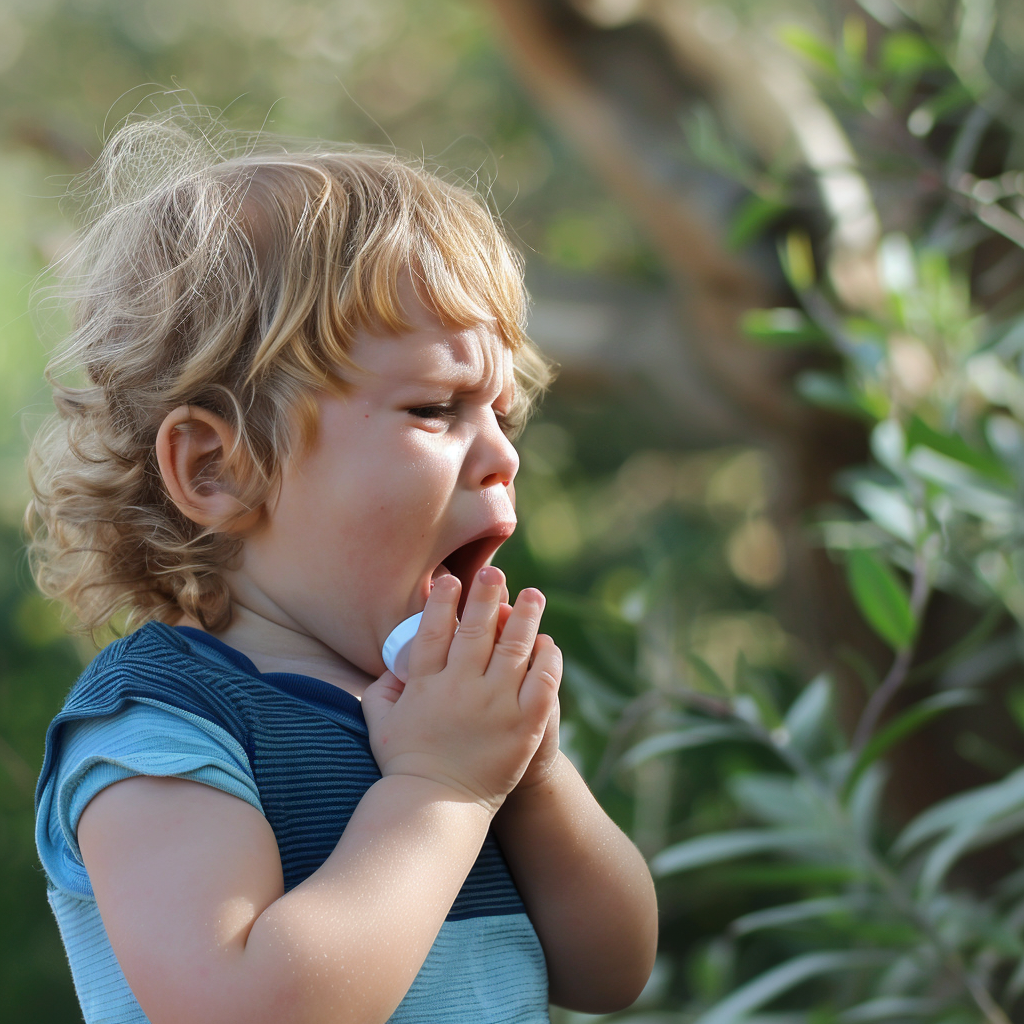
- Does My Child Have Asthma?
Asthma is a chronic respiratory condition affecting millions of children worldwide. It inflames and narrows the airways, making breathing difficult and leading to symptoms such as coughing, wheezing, chest tightness, and shortness of breath.
If you suspect your child might have asthma, it’s essential to consult a pediatrician for accurate diagnosis and appropriate management. This guide provides an overview of asthma in children, helping you understand the signs, causes, and steps to take.
- Common Symptoms of Asthma in Children:
- Coughing: This is often the most noticeable symptom, especially at night or early mornings.
- Wheezing: A high-pitched whistling sound when breathing, indicating narrowed airways.
- Chest tightness: Your child might complain of a feeling of constriction in their chest.
- Shortness of breath: Difficulty catching their breath, especially during physical activity.
- Rapid breathing: Your child may take quick, shallow breaths.
- Potential Causes of Childhood Asthma:
- Genetics: Children with a family history of asthma are more susceptible.
- Allergies: Exposure to allergens such as dust mites, pollen, and pet dander can trigger asthma symptoms.
- Respiratory infections: Common colds and other viral infections can exacerbate asthma.
- Air pollution: Exposure to smoke, dust, and other pollutants can irritate the airways.
- Exercise: Some children experience exercise-induced asthma.
- What to Do if You Suspect Your Child Has Asthma:
- Consult a pediatrician: A thorough medical evaluation is necessary to confirm or rule out asthma.
- Lung function tests: These tests measure your child’s lung capacity and help assess the severity of their condition.
- Allergy testing: Identifying potential triggers through allergy testing can help manage symptoms.
- Treatment plan: Your pediatrician will develop a personalized treatment plan based on your child’s specific needs and symptoms.
Remember, early diagnosis and management of asthma are crucial to ensure your child’s well-being and prevent complications. If you suspect your child might have asthma, don’t hesitate to seek medical attention from your pediatrician.
 Shaun Kirkpatrick