The 10 Symptoms of Endometriosis
 Joseph McGriff
 Joseph McGriff
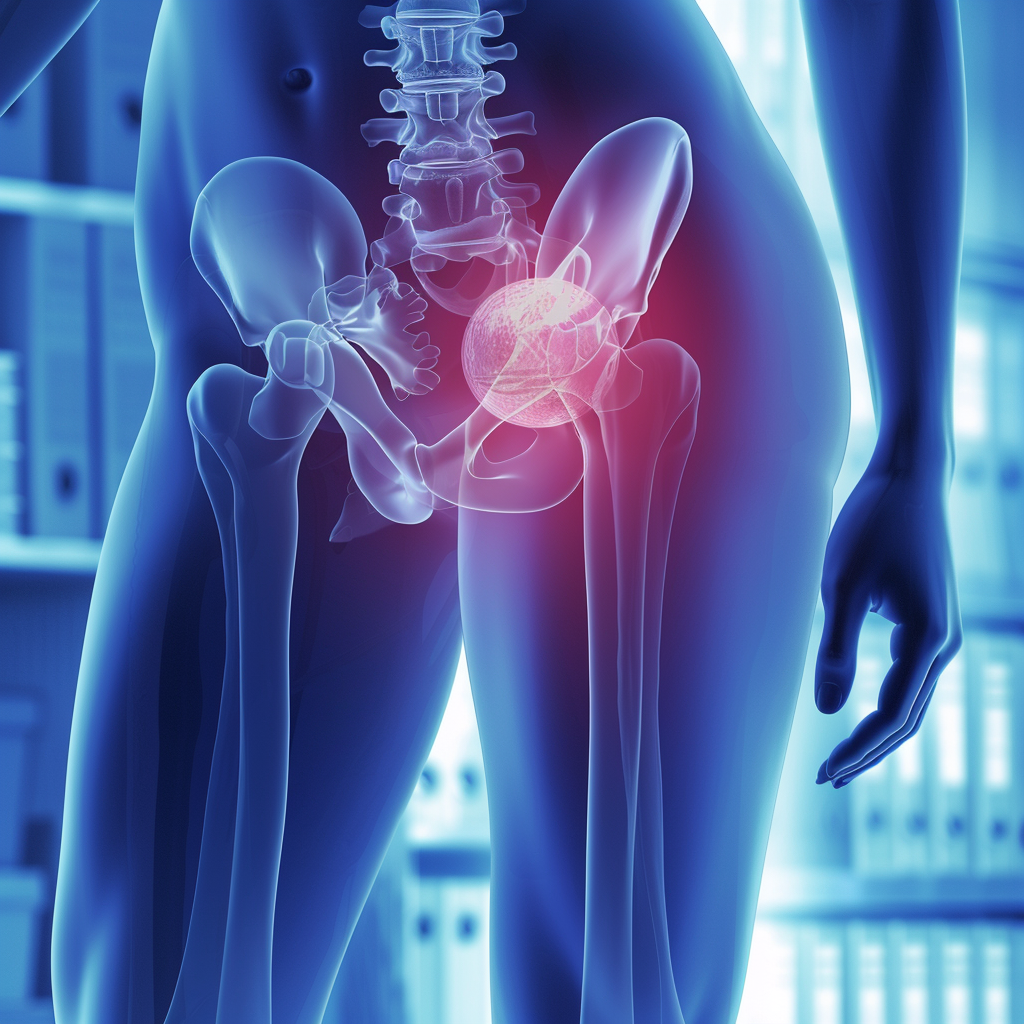
Endometriosis is a chronic condition that affects millions of women worldwide. It occurs when tissue similar to the lining of the uterus grows outside the uterus. This tissue can implant on the ovaries, fallopian tubes, intestines, or other areas in the pelvis.
The cause of endometriosis is unknown, but it is thought to be related to a combination of genetic and environmental factors. Endometriosis can cause a variety of symptoms, including:
1. Painful periods: This is the most common symptom of endometriosis. The pain may be sharp, stabbing, or cramping, and it may occur before, during, or after your period.
2. Pelvic pain: You may also experience pain in your lower abdomen or pelvis between periods. This pain can be constant or come and go.
3. Heavy bleeding: Some women with endometriosis experience heavy or prolonged periods. This can lead to anemia, which is a condition in which you don’t have enough red blood cells to carry oxygen to your body’s tissues.
4. Spotting or bleeding between periods: You may also experience spotting or bleeding between periods. This is usually light bleeding, but it can be heavy in some cases.
5. Infertility: Endometriosis can make it difficult to get pregnant. This is because the endometrial tissue can block the fallopian tubes or interfere with the implantation of a fertilized egg.
6. Painful bowel movements or urination: Endometriosis can also cause pain during bowel movements or urination. This is because the endometrial tissue can implant on the intestines or bladder.
7. Fatigue: Many women with endometriosis experience fatigue. This is likely due to the pain and inflammation caused by the condition.
8. Nausea and vomiting: Some women with endometriosis experience nausea and vomiting. This is usually associated with painful periods.
9. Bloating: You may also experience bloating or swelling in your abdomen. This can be caused by the endometrial tissue or by fluid buildup in the pelvis.
10. Depression and anxiety: Depression and anxiety are also common symptoms of endometriosis. This is likely due to the chronic pain and other challenges associated with the condition.
If you are experiencing any of the symptoms of endometriosis, it is important to see a doctor to get a diagnosis. Endometriosis can be diagnosed with a pelvic exam, ultrasound, or surgery.
There is no cure for endometriosis, but there are treatments that can help manage the symptoms. Treatment options include pain medication, hormone therapy, and surgery.
If you are concerned about endometriosis, talk to your doctor. They can help you understand your risk factors and symptoms, and they can recommend the best treatment options for you.